
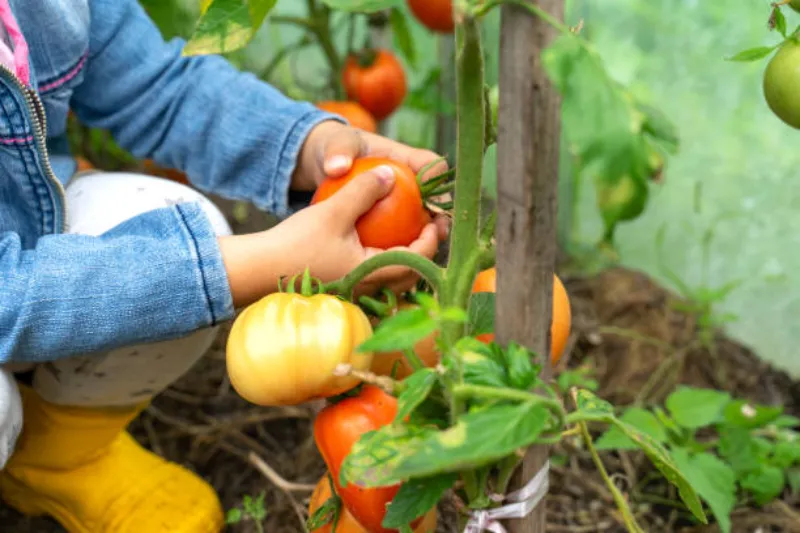
Starting your own vegetable garden is one of the most rewarding hobbies you can take up. Not only will you enjoy fresh, organic produce, but you’ll also save money, spend more time outdoors, and connect with nature. Whether you have a big backyard or just a small patio, you can grow your own food — and this guide will show you exactly how.
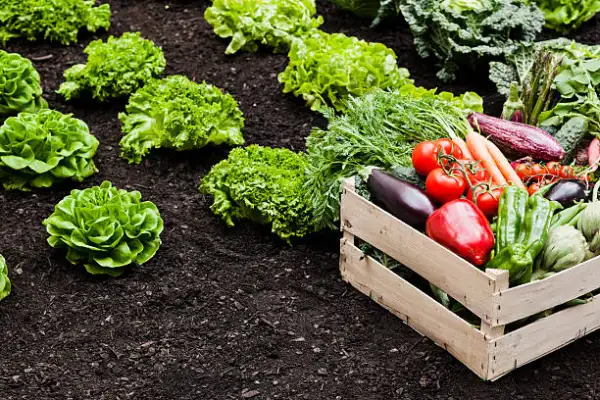
1. Choose the Right Location
The success of your vegetable garden begins with its location. Vegetables need at least 6–8 hours of direct sunlight daily.
Tips for choosing the best spot:
- Pick a sunny, flat area to make watering and planting easier.
- Avoid locations near large trees or shrubs (they’ll compete for water and nutrients).
- Choose a spot with easy access to water.
2. Decide What to Grow
As a beginner, start with easy-to-grow vegetables such as:
- Tomatoes 🍅
- Lettuce 🥬
- Carrots 🥕
- Cucumbers 🥒
- Green beans 🌱
Pro tip: Choose vegetables you and your family actually enjoy eating.
3. Prepare the Soil
Healthy soil = healthy plants.
Test your soil to check for nutrients and pH balance (6.0–7.0 is ideal for most vegetables).
Steps to prepare soil:
- Remove weeds and debris.
- Mix in compost or organic matter to improve fertility.
- Loosen soil to about 12 inches deep for good root growth.
4. Choose Your Planting Method
There are three main ways to start your garden:
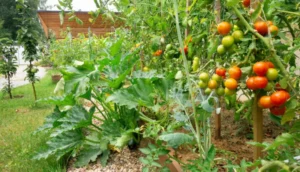
- In-ground beds – Traditional and budget-friendly.
- Raised beds – Better drainage and weed control.
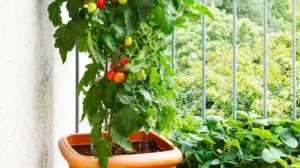
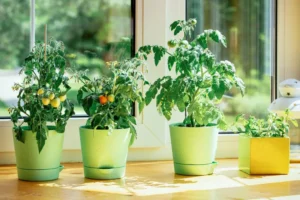
- Containers – Perfect for small spaces or patios.
5. Plant Your Vegetables
Check the seed packet for spacing and depth instructions.
Plant cool-season crops (like lettuce and peas) in early spring, and warm-season crops (like tomatoes and peppers) after the last frost.
Pro tip: Use garden markers to label each row so you remember what you planted.
6. Water the Right Way
- Most vegetables need 1–1.5 inches of water per week.
- Water in the early morning to reduce evaporation.
- Avoid overhead watering to prevent diseases — instead, water at the base of plants.
7. Maintain Your Garden
Keeping your garden healthy is an ongoing task:
- Pull weeds regularly.
- Mulch around plants to keep soil moist and control weeds.
- Watch for pests and use natural control methods when possible.
8. Harvest at the Right Time
The best part — eating your own vegetables!
Harvest when vegetables are ripe but still fresh. Overripe produce can reduce a plant’s yield.
Pro tip: Check your garden daily during peak harvest season.
Final Thoughts
Starting a vegetable garden may feel overwhelming at first, but by following these simple steps, you’ll be harvesting your own fresh produce in no time. Remember — gardening is a learning process, and each season will teach you something new.