

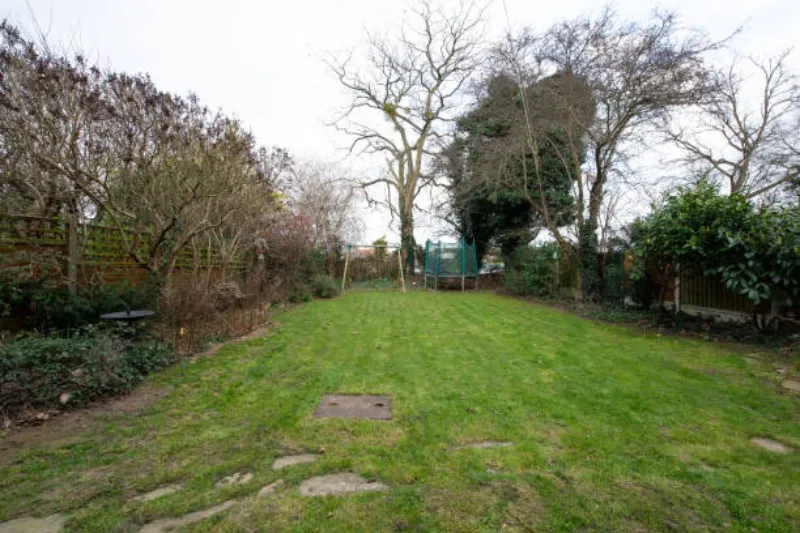
A lush, green lawn is the dream of many homeowners. But often, despite best intentions, our efforts to care for the grass can lead to more harm than good. Whether you’re a first-time lawn owner or a weekend gardener, it’s easy to fall into common traps that leave your yard looking patchy, yellow, or overrun with weeds.

In this guide, we’ll explore the most common lawn care mistakes, how they damage your lawn, and what to do instead.
1. Mowing Too Short (“Scalping”)
The Mistake: Many people think cutting the grass shorter means mowing less often. But mowing too low actually weakens your grass by reducing its ability to photosynthesize.
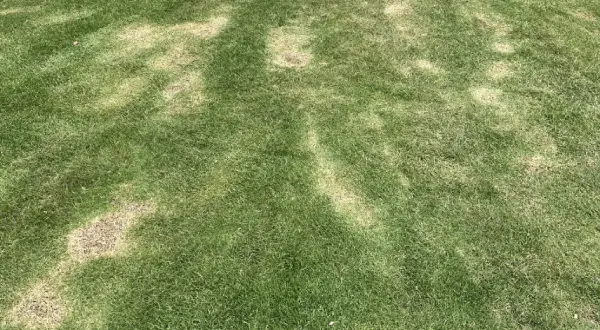
The Damage: Scalped grass exposes the soil, which encourages weed growth, increases water evaporation, and leaves your lawn vulnerable to heat stress.
The Fix: Set your mower height to remove no more than one-third of the grass blade at a time. Cool-season grasses (like Kentucky bluegrass or fescue) should generally be mowed to about 2.5–3.5 inches.
2. Watering Too Frequently or Too Little
The Mistake: Daily watering for short periods may seem helpful but can lead to shallow roots.
The Damage: Shallow-rooted grass dries out quickly and is less drought-tolerant. On the flip side, inconsistent or insufficient watering leads to brown spots and poor growth.
The Fix: Water deeply and infrequently. Aim for 1 to 1.5 inches of water per week, including rainfall. Water early in the morning to reduce evaporation.
3. Using the Wrong Grass Type for Your Region
The Mistake: Choosing a grass type unsuited to your climate or sun exposure.
The Damage: Poor growth, increased disease risk, and higher maintenance needs.
The Fix: Select a grass variety that suits your climate.
- Cool-season grasses (UK, Northern US, Northern Europe): Fescue, Ryegrass, Kentucky bluegrass
- Warm-season grasses (Southern US, Mediterranean Europe): Bermuda grass, Zoysia, St. Augustine
4. Ignoring Soil Health
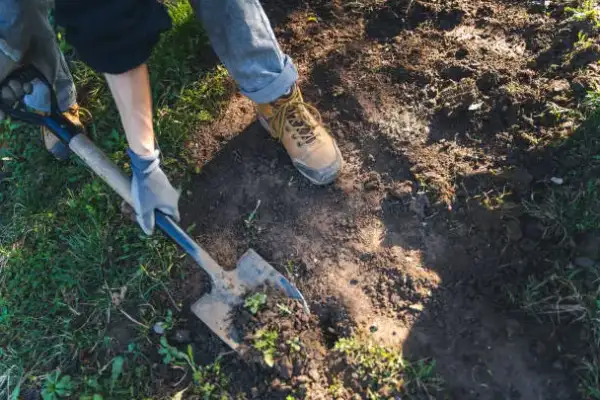
The Mistake: Neglecting soil testing and fertilization schedules.
The Damage: Nutrient imbalances or deficiencies lead to weak, thin grass and higher weed presence.
The Fix: Test your soil at least once every 2–3 years. Based on the results, apply the right type and amount of fertilizer. Use compost or organic matter to boost soil health naturally.
5. Not Aerating the Lawn
The Mistake: Skipping aeration, especially in high-traffic or clay-heavy soil areas.
The Damage: Compacted soil blocks water, nutrients, and air from reaching grassroots.
The Fix: Aerate your lawn annually, ideally in early spring or fall. Use a core aerator to remove plugs of soil and allow better penetration.
6. Overusing or Misusing Fertilizers
The Mistake: Believing more fertilizer equals greener grass.
The Damage: Overfertilization burns the lawn, encourages excessive growth (which needs more mowing), and can lead to runoff pollution.
The Fix: Follow the recommended rates and timing. Slow-release organic fertilizers are often gentler and more sustainable.
7. Skipping Weed Prevention
The Mistake: Treating weeds after they become a problem instead of preventing them.
The Damage: Weeds compete for nutrients, water, and sunlight — choking out your grass.
The Fix: Apply a pre-emergent herbicide in early spring and maintain a thick lawn to crowd out weeds naturally. Avoid disturbing the soil too much after applying herbicides.
Bonus: Using Dull Mower Blades
The Mistake: Mowing with dull blades that tear grass instead of cutting it cleanly.
The Damage: Tearing causes frayed grass tips, which turn brown and become more susceptible to disease.
The Fix: Sharpen your mower blades at least once per season or every 20–25 uses.
Conclusion
Caring for a healthy lawn isn’t just about routine — it’s about doing the right things at the right time. Avoiding these common mistakes can save you time, money, and frustration while ensuring your lawn thrives year-round.