
Design Tips for a Cohesive, Comfortable, and Stylish Transition
Creating a natural flow between your indoor and outdoor spaces can transform how you live in your home. Whether you have a sprawling garden or a compact patio, integrating the indoors with the outdoors makes your space feel bigger, brighter, and more connected to nature.
In this guide, we’ll explore practical and stylish ways to blend indoor and outdoor living spaces, making your home feel like a retreat — perfect for entertaining, relaxing, or simply enjoying more sunlight.
Why Blend Indoor and Outdoor Living Spaces?
Before we dive into the how, let’s talk about why this design approach is growing in popularity — especially in the U.S., UK, and across Europe.
✅ Benefits include:
- Improved natural lighting indoors
- Extended usable space for dining, entertaining, or relaxing
- Higher property value and modern appeal
- A stronger connection with nature, which supports well-being
1. Choose Consistent Flooring (or Visual Continuity)
Using similar flooring materials helps blur the lines between the two zones. Think:
- Porcelain or wood-look tiles inside and outside
- Polished concrete for a modern, industrial aesthetic
- Decking that aligns with interior floors
If exact matching isn’t possible, choose complementary textures or colors that visually connect the spaces.
2. Use Large Glass Doors or Sliding Panels
One of the most effective ways to blend spaces is through glass doors — they flood interiors with natural light and allow easy access to the outside.
Best options include:
- Bi-fold glass doors
- Large sliding glass panels
- French doors (ideal for UK/EU-style homes)
- Floor-to-ceiling windows if full doors aren’t feasible
Pro Tip: Consider doors with minimal framing for a cleaner, uninterrupted view of your outdoor area.
3. Mirror Interior Styles Outdoors
If your indoor space is minimalist, rustic, or bohemian — echo those same vibes outside.
Here’s how to do it:
- Use similar color palettes in furniture, planters, and accessories
- Add rugs and throw pillows that reflect your interior style
- Stick to matching materials (e.g., rattan, wood, linen, metal)
This trick makes both spaces feel like one cohesive zone instead of two disconnected areas.
4. Extend the Ceiling with a Covered Patio or Pergola
If possible, build a pergola, awning, or covered patio area directly outside the house. When you carry architectural features like beams, paint color, or lighting styles from inside to outside, you create visual unity.
Bonus: Covered spaces also allow for outdoor lounging in various weather conditions.
5. Incorporate Indoor Comforts Outdoors
To make your outdoor space feel like an extension of your living room:
- Add comfy seating with weatherproof cushions
- Use outdoor rugs, lanterns, and side tables
- Add an outdoor fireplace or heater for cooler climates
- Set up a weather-resistant media area (e.g., TV, speakers)
This strategy works great in European gardens, U.S. patios, and UK courtyards alike.
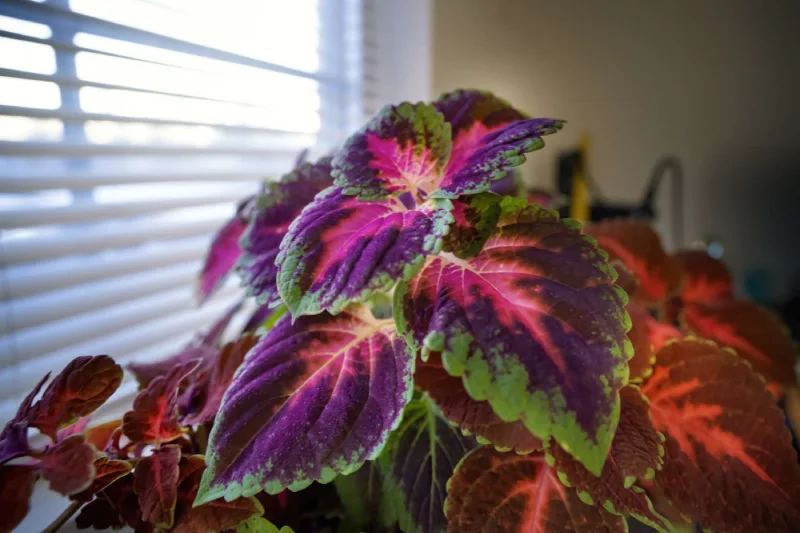
6. Bring Nature Indoors with Houseplants and Green Walls
Blending doesn’t just mean taking the indoors out — bring the outdoors in, too!
- Use indoor plants like ferns, palms, and trailing vines
- Consider a green wall or plant shelf near windows or doors
- Place potted herbs or bonsai trees in your kitchen or sunroom
The idea is to blur the boundary with greenery on both sides.
7. Lighting That Connects Both Spaces
To maintain the mood and flow, keep your lighting consistent or complementary across the transition:
- Use matching or coordinated light fixtures
- Soft, warm LED lighting works well both indoors and outdoors
- Add solar path lights or fairy lights in the garden to mirror indoor lamps or sconces
Pro Tip: Use smart lighting that you can control as a group for seamless ambiance.
8. Use Sliding Screens or Curtains
For flexibility and privacy, install:
- Outdoor curtains in pergolas or gazebos
- Sliding panels or bamboo screens for sun control
- Sheer drapes indoors that lead into the outdoor area
These elements allow you to adjust the light and visibility while keeping a cohesive look.
9. Create Functional Zones That Flow Together
Define your spaces but connect them.
Try these combinations:
- Indoor kitchen + outdoor dining area with matching chairs or table materials
- Living room + outdoor lounge area
- Home office or sunroom + garden seating nook
Keep walking paths open and clear, and use rugs or planters to subtly define each zone.
10. Add Sound, Scent & Movement
To fully blur the line between indoors and out, engage all the senses:
- Use wind chimes, water fountains, or outdoor speakers
- Add fragrant flowers like jasmine, lavender, or herbs near doors
- Consider elements that move — hanging planters, trees with rustling leaves, or vertical garden walls
This immersive experience truly brings both worlds together.
🌿 Final Thoughts
Blending indoor and outdoor spaces isn’t just a design trend — it’s a lifestyle shift. When you create seamless transitions, you make your home more spacious, more beautiful, and more enjoyable year-round.
With the right balance of function, style, and flow, even the smallest patio or balcony can become a natural extension of your living room.