
🌱 Introduction: Why the First Year Is Critical
The first year after planting is the most important in a young tree’s life. It’s during this time that the tree works hard to establish its root system, adjust to its new environment, and begin upward growth. Proper care during this period can mean the difference between a tree that thrives and one that struggles — or dies.

In this guide, we’ll cover everything you need to do to support your tree’s growth during its first year, from watering to pruning and protection.
🌳 1. Proper Watering: Deep, Consistent, and Timed Right
Watering is the #1 priority for a newly planted tree. It needs deep, regular moisture to help roots grow strong and downward.

✅ Best Practices:
- Water immediately after planting.
- Provide deep watering 1–2 times per week (depending on rainfall).
- Focus on soaking the root zone, not the leaves or trunk.
🛠️ Pro Tip:
Use a slow-release watering bag or soaker hose to let water penetrate deeply without runoff.
❌ Common Mistakes:
- Overwatering (leads to root rot)
- Shallow daily watering (causes shallow roots)
🕳️ 2. Mulching the Right Way
Mulch helps retain soil moisture, regulate temperature, and prevent weeds — all critical for young tree success.
✅ How to Mulch:
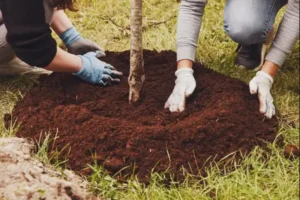
- Use 2–4 inches of organic mulch (e.g., wood chips or bark).
- Form a mulch ring around the tree at least 2–3 feet in diameter.
- Keep mulch away from the trunk (avoid mulch volcanoes).
❌ Mistakes to Avoid:
- Piling mulch against the trunk (can cause rot)
- Using synthetic or dyed mulches
🛡️ 3. Protecting from Pests and Wildlife
New trees are vulnerable to damage from rabbits, deer, rodents, and even lawn equipment.
✅ Protection Strategies:
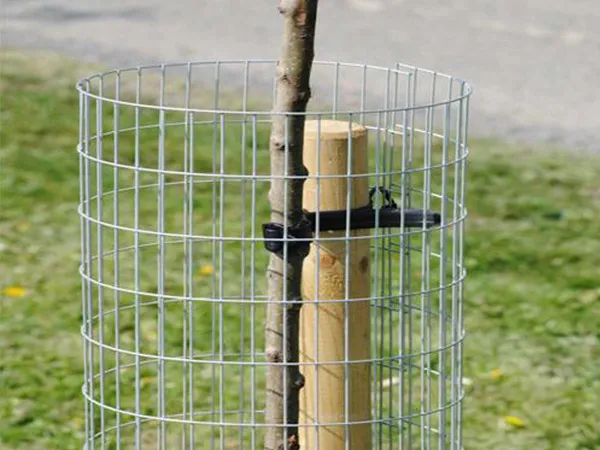
- Wrap trunks with tree guards or mesh to prevent animal damage.
- Use tree stakes or barriers to block lawnmowers and trimmers.
- Consider natural repellents if wildlife is a serious problem.
🐾 Bonus Tip:
If deer are common, deer fencing or scent-based deterrents work better than sprays.
🌤️ 4. Watch for Stress Signs (and Know What They Mean)
Young trees can show stress quickly if something is off. Early detection can save the tree.
🚩 Signs of Tree Stress:
- Wilted or yellowing leaves
- Scorched edges or curling
- Leaf drop, especially in spring or summer
✅ What to Check:
- Soil moisture (too dry or too wet?)
- Root exposure or girdling
- Animal or insect damage
✂️ 5. Minimal Pruning in the First Year
Too much pruning can weaken a young tree. In the first year, focus only on structural or damaged branches.
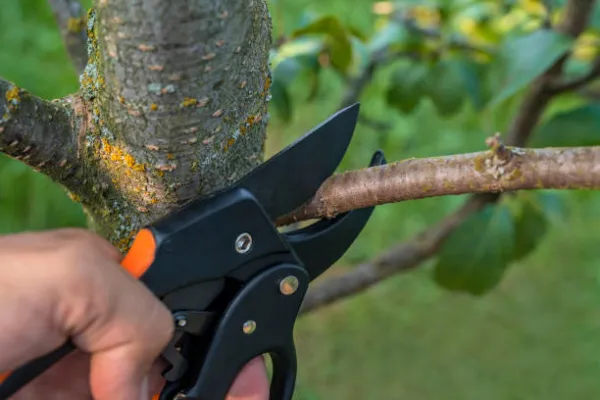
✅ What to Prune:
- Dead, broken, or diseased branches
- Crossing or rubbing branches
- Any root suckers or sprouts at the base
❌ Don’t Do This:
- Don’t “top” the tree (cutting the main leader)
- Don’t prune for shape until the second or third year
🧬 6. Fertilizing: Only If Necessary
Young trees rarely need fertilizer in their first year — in fact, it can do more harm than good by stressing roots.
✅ When to Fertilize:
- Only if a soil test shows a deficiency
- In the second year or beyond, for slow, balanced feeding
❌ Avoid:
- Fast-release chemical fertilizers
- Fertilizing immediately after planting
⛓️ 7. Proper Staking (If Necessary)
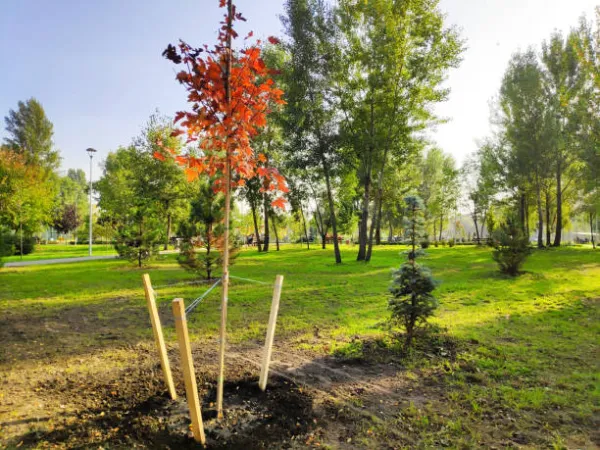
Not all young trees need staking, but those in windy or sloped areas may benefit from it.
✅ How to Stake Correctly:
- Use flexible ties (never wire or rope)
- Attach loosely to allow slight tree movement
- Remove stakes after 6–12 months
❌ What to Avoid:
- Tying too tightly
- Leaving stakes for more than one growing season
📅 8. Monitor and Maintain Monthly
Trees aren’t “set and forget.” A monthly care check ensures they stay healthy.
Your Monthly Checklist:
- ✅ Check moisture levels
- ✅ Inspect for pests or damage
- ✅ Reapply mulch as needed
- ✅ Remove weeds around the base
- ✅ Ensure tree remains upright and straight
You can create a simple journal or digital tracker to log your observations — this helps identify patterns early.
🌳 Final Thoughts: Setting Your Tree Up for a Lifetime of Growth
A little care goes a long way when it comes to young trees. By being proactive in the first year — especially with watering, protection, and monitoring — you set your tree up for decades of healthy growth, shade, beauty, and ecological benefit.
A well-cared-for tree doesn’t just survive — it thrives, becoming a lasting part of your home landscape or garden legacy.
🔁 Quick Summary:
- Water deeply and consistently
- Mulch properly (not too thick, not too close)
- Protect from pests and mechanical damage
- Prune only when necessary
- Fertilize only if needed
- Check monthly and adjust care as needed