
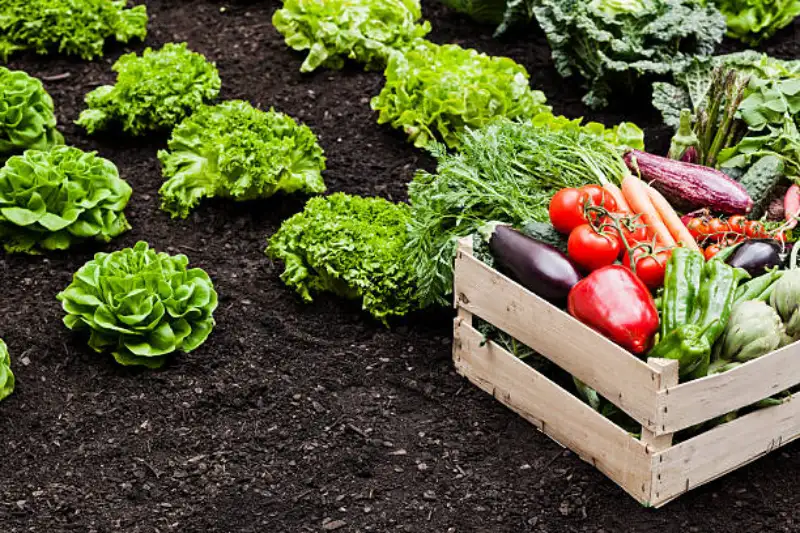
Want to harvest more vegetables without relying on synthetic fertilizers or pesticides? Nature’s got your back. In this guide, we’ll explore effective, organic methods to increase your vegetable yield — perfect for eco-conscious gardeners.
📌 Table of Contents
- Why Avoid Chemical Fertilizers
- Improve Soil Health Organically
- Use Compost and Natural Fertilizers
- Try Companion Planting
- Attract Pollinators to Your Garden
- Rotate Your Crops Every Season
- Water Smarter, Not Harder
- Use Mulch to Conserve Resources
- Encourage Beneficial Insects
- Final Thoughts
🌱 Why Avoid Chemical Fertilizers?
While chemical fertilizers may offer a short-term boost, they can degrade soil quality, harm beneficial microbes, and leach into water systems over time.
Going natural helps you:
- Improve soil for long-term health
- Grow safer, tastier vegetables
- Promote environmental balance
🌿 1. Improve Soil Health Organically
Healthy soil = healthy plants.
Here’s how to build rich, fertile soil:
- Add organic matter regularly (like compost, aged manure, or green waste)
- Avoid tilling too frequently to protect soil structure
- Use cover crops (like clover or beans) in off-seasons to fix nitrogen
💡 Quick Tip: Earthworms are a good sign of healthy soil. If you dig and see lots of them, you’re on the right track.
♻️ 2. Use Compost and Natural Fertilizers
Compost is often called “black gold” for a reason.
✅ Composting Benefits:
- Improves nutrient content
- Enhances water retention
- Feeds beneficial microorganisms
You can also use:
- Worm castings (vermicompost)
- Banana peel or eggshell tea
- Seaweed or fish emulsion sprays
🌻 3. Try Companion Planting
Companion planting involves placing crops together that benefit each other. It’s like matchmaking for plants!
Top Combinations:
| Vegetable | Companion | Why It Works |
| Tomatoes | Basil | Improves flavor and repels pests |
| Carrots | Onions | Deter carrot flies |
| Cucumbers | Nasturtiums | Attract aphids away from crop |
| Beans | Corn | Natural nitrogen fixers |
🐝 4. Attract Pollinators to Your Garden
Pollinators = more flowers = more fruits.
How to attract them:
- Grow flowering herbs like lavender, thyme, and borage
- Avoid using any synthetic pesticide or herbicide
- Leave a small patch wild for native bees and butterflies
🐞 Bonus: Some pollinators also prey on pests!
🔄 5. Rotate Your Crops Every Season
Crop rotation is an ancient and effective way to prevent nutrient depletion and disease.
Basic Rotation Example:
- Year 1: Legumes (beans/peas)
- Year 2: Leafy greens
- Year 3: Fruiting crops (tomatoes/peppers)
- Year 4: Root crops (carrots/beets)
This reduces the build-up of pests and keeps the soil balanced.
💧 6. Water Smarter, Not Harder
Overwatering not only wastes water but can damage root systems.
Smart Watering Tips:
- Water early in the morning
- Use drip irrigation or soaker hoses to target roots
- Mulch to reduce evaporation
- Stick your finger into the soil — water only if the top 2 inches are dry
💡 Rainwater harvesting systems are eco-friendly and effective.
🌾 7. Use Mulch to Conserve Resources
Mulch is one of the most natural yield boosters you can use.
Benefits:
- Retains moisture
- Suppresses weeds
- Regulates soil temperature
- Adds nutrients as it decomposes
Types of natural mulch:
- Straw or hay
- Grass clippings
- Shredded leaves
- Bark chips
🐞 8. Encourage Beneficial Insects
Not all bugs are bad! Many are your garden’s natural protectors.
Welcome these allies:
- Ladybugs – eat aphids
- Lacewings – devour soft-bodied insects
- Hoverflies – target whiteflies and mealybugs
- Ground beetles – eat slugs and caterpillars
How to attract them:
- Avoid all insecticides
- Plant dill, fennel, marigolds, or yarrow
- Provide water (shallow dishes with pebbles)
🧠 Pro Tip: Combine These Strategies
The best results come when you layer several methods together.
A natural garden might include:
- Compost-fed soil
- Mulch to protect roots
- A diverse mix of companion plants
- Pollinator-friendly herbs
- Rotated planting plan
- Rain barrel watering
- Lots of beneficial insects
This creates a resilient, productive ecosystem that works with nature, not against it.
🧺 Final Thoughts: You Can Grow More, Naturally
If you want more veggies without relying on synthetic chemicals, your best bet is to focus on soil health, biodiversity, and sustainability.
The beauty of natural gardening is that it becomes stronger and more productive each year as your soil, plant relationships, and micro-ecosystem improve.