
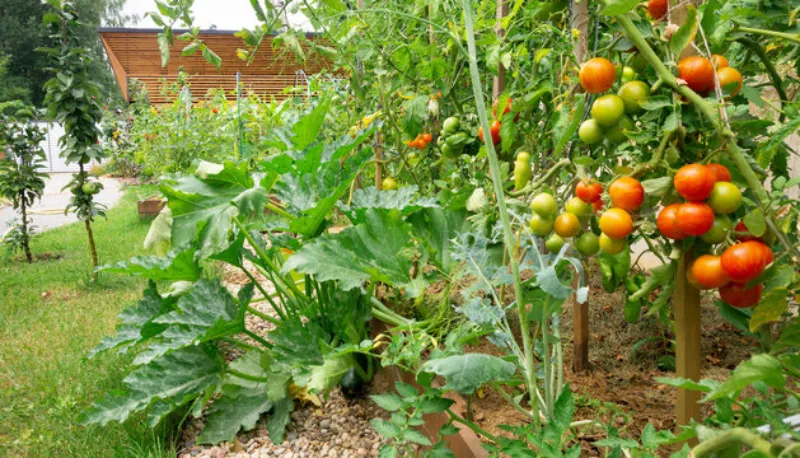
Growing your own vegetables is not only satisfying but also a great way to enjoy fresh, chemical-free produce right from your backyard, balcony, or even kitchen windowsill. Whether you have a large garden or just a few pots, this beginner-friendly guide will walk you through everything you need to start your own vegetable garden at home.
1. Why Grow Your Own Vegetables?
Growing your own vegetables comes with multiple benefits:
- Freshness & Flavor: Homegrown vegetables taste better because they’re harvested at peak ripeness.
- Healthier Eating: You control what goes into your plants—no harmful chemicals or pesticides.
- Cost Savings: Reduces your grocery bills.
- Sustainable Living: Less packaging, transportation, and waste.
2. Choosing the Right Location
Your vegetable garden’s success depends on its location. Consider:
- Sunlight: Most vegetables need 6–8 hours of direct sunlight daily.
- Soil Quality: Choose well-draining, nutrient-rich soil.
- Accessibility: Make sure it’s easy to water and maintain.
3. Picking the Best Vegetables for Beginners
Start with vegetables that are easy to grow and forgiving:
- Tomatoes
- Lettuce
- Carrots
- Radishes
- Green beans
- Spinach
- Cucumbers
4. Preparing Your Soil
Healthy soil is the foundation of a thriving garden.
- Test the Soil: Check pH levels (most vegetables prefer pH 6.0–7.0).
- Add Compost: Improves fertility and water retention.
- Loosen the Soil: Allows roots to grow easily.
5. Choosing Between Raised Beds, Pots, or Ground Planting
Depending on your space, you can:
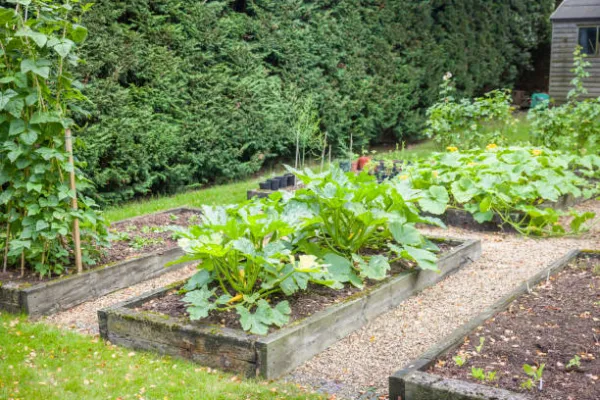
- Use Raised Beds: Great for small spaces, better drainage.
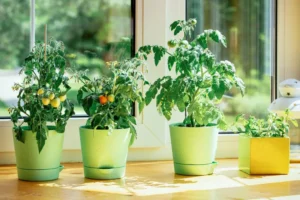
- Grow in Pots/Containers: Perfect for balconies and patios.
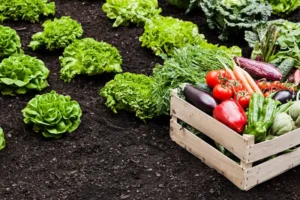
- Plant Directly in the Ground: Best for larger gardens.
6. Planting Your Vegetables
- Read Seed Pack Instructions: Follow spacing and depth guidelines.
- Start Small: Avoid overcrowding.
- Water Gently: Keep soil moist but not waterlogged.
7. Caring for Your Garden
- Watering: Consistent moisture is key.
- Weeding: Prevents competition for nutrients.
- Mulching: Helps retain moisture and reduce weeds.
- Fertilizing: Use organic fertilizers for steady growth.
8. Harvesting Tips
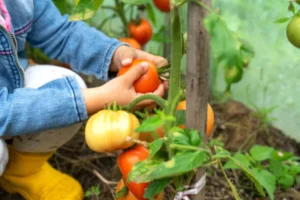
- Pick vegetables when they’re ripe for the best flavor.
- Regular harvesting encourages more production.
- Use clean, sharp scissors or garden shears to avoid damaging plants.
9. Common Mistakes to Avoid
- Overwatering or underwatering.
- Planting too early or late in the season.
- Ignoring pests and diseases.
10. Final Thoughts
Starting a vegetable garden at home is a rewarding journey. With patience, care, and the right techniques, you can enjoy fresh, healthy vegetables year-round—right from your doorstep.