
🌿 Introduction: Why You Should Plant Trees That Attract Wildlife
If you’re looking to create a vibrant and lively garden, planting trees that attract birds, bees, and butterflies is one of the best steps you can take. These trees not only beautify your landscape, but they also play a critical role in supporting local biodiversity, aiding pollination, and even helping pest control.
In this guide, we’ll explore 7 of the best trees that naturally draw pollinators and songbirds — helping you turn your backyard into a mini-wildlife haven.
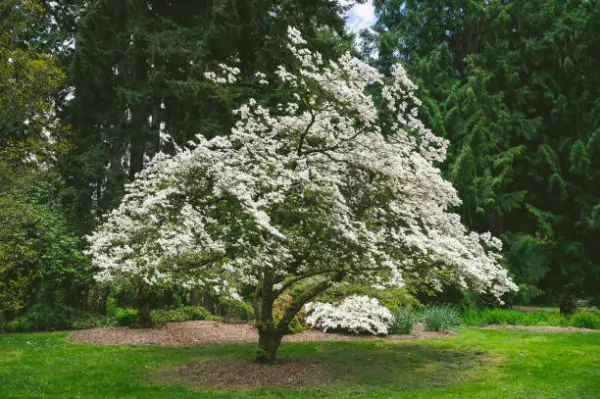
🌸 1. Flowering Dogwood (Cornus florida)
One of the most iconic native trees in North America, the flowering dogwood is a magnet for butterflies and bees, especially in spring.
Why It’s Great:
- Blooms in early spring, providing nectar when few other flowers are available.
- Its berries feed robins, cardinals, and bluebirds in fall.
- Adds a splash of pink or white color to your landscape.
Growth Info:
- Height: 15–30 ft
- USDA Zones: 5–9
- Sun: Partial shade to full sun
🌲 2. Eastern Redbud (Cercis canadensis)
The Eastern Redbud is not just a visual delight — it’s a powerhouse for pollinators.
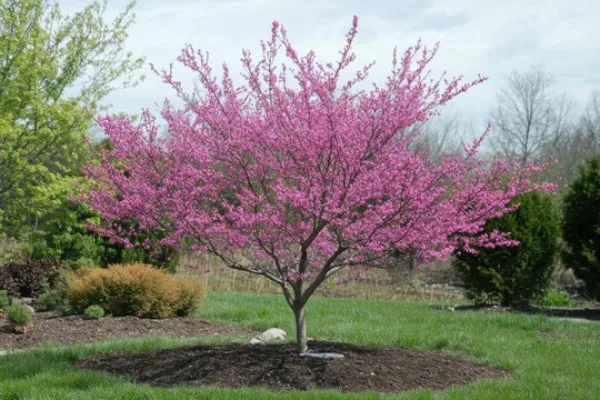
Why It Stands Out:
- Bright pink or lavender blooms emerge directly from branches in early spring.
- Attracts bumblebees and early-emerging native bees.
- Birds love nesting in its naturally spreading branches.
Growth Info:
- Height: 20–30 ft
- USDA Zones: 4–9
- Sun: Full sun to partial shade
🐦 3. Serviceberry (Amelanchier spp.)
Also known as Juneberry or Shadbush, this tree provides nectar in spring, fruit in summer, and shelter for birds year-round.
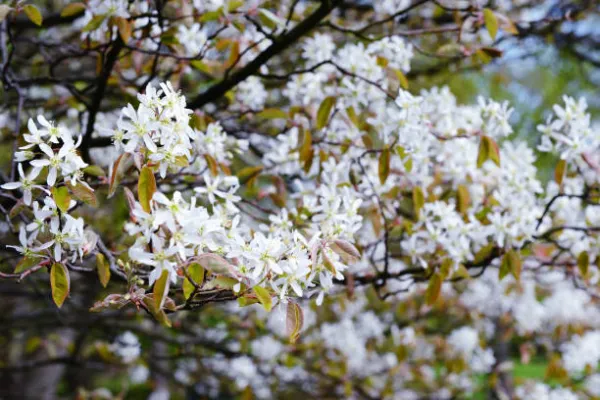
Wildlife Benefits:
- Its white spring flowers feed early pollinators.
- Small red berries are loved by orioles, waxwings, and thrushes.
- Provides nesting areas and protection.
Growth Info:
- Height: 15–25 ft
- USDA Zones: 4–9
- Sun: Full sun to partial shade
🦋 4. Tulip Tree (Liriodendron tulipifera)
A majestic tree with large, tulip-shaped flowers that is incredibly attractive to both hummingbirds and bees.
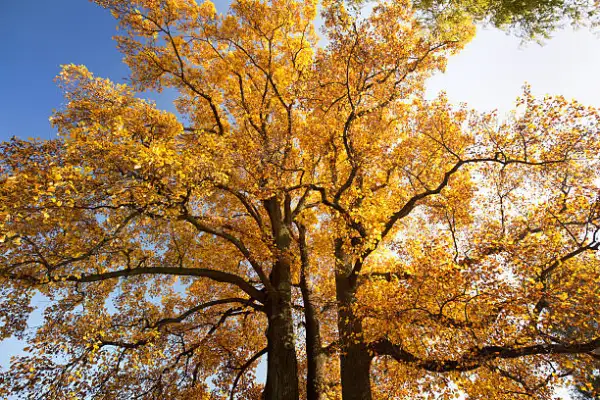
Why It’s a Winner:
- Flowers are a rich nectar source, especially for carpenter bees and bumblebees.
- Seeds are eaten by finches and squirrels in the fall.
- Offers excellent shade and a towering canopy.
Growth Info:
- Height: 70–90 ft
- USDA Zones: 4–9
- Sun: Full sun
🐝 5. Black Cherry (Prunus serotina)
Though lesser-known, the Black Cherry tree is one of the top native pollinator trees in North America.
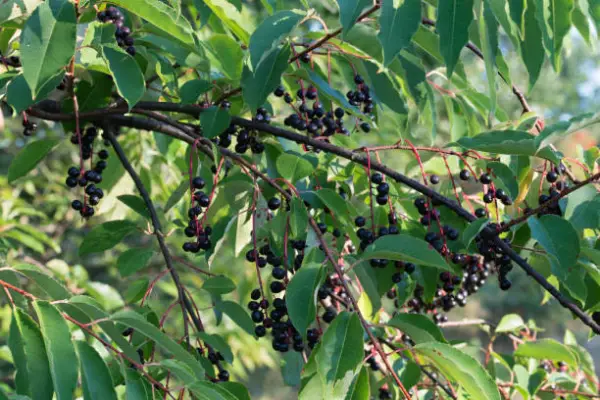
What Makes It Special:
- Spring flowers attract hundreds of pollinators, especially native bees.
- Summer berries feed over 40 species of birds.
- Supports over 400 species of moths and butterflies — including the Eastern Tiger Swallowtail.
Growth Info:
- Height: 50–80 ft
- USDA Zones: 3–9
- Sun: Full sun
🐦 6. Crabapple (Malus spp.)
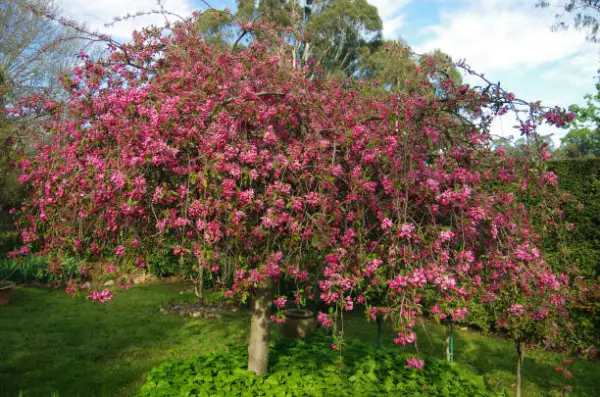
Crabapples are pollinator powerhouses with vibrant spring blooms and persistent fruit that attracts birds well into winter.
Wildlife Benefits:
- Bees go wild for the clusters of pink and white blossoms.
- The fruits are a winter food source for waxwings, robins, and mockingbirds.
- Dense branches offer excellent nesting habitat.
Growth Info:
- Height: 10–25 ft
- USDA Zones: 4–8
- Sun: Full sun
🦋 7. Willow (Salix spp.)
Willows are among the earliest trees to bloom in spring — offering critical early nectar for pollinators and nesting habitat for birds.

Wildlife Value:
- Flowers are vital for early-emerging bees and butterflies.
- Flexible branches make them ideal for bird nests.
- Leaves host caterpillars of various butterflies and moths.
Growth Info:
- Height: 20–50+ ft (depending on species)
- USDA Zones: 4–9
- Sun: Full sun to partial shade
🧠 Bonus Tips: How to Make Your Yard More Wildlife-Friendly
Adding these trees is a fantastic start — but you can make your space even more attractive with the following:
🌼 Companion Planting
- Include flowering perennials like coneflowers, bee balm, or milkweed under your trees.
🚫 Avoid Pesticides
- Use organic or natural pest control methods to keep pollinators safe.
💧 Provide Water
- A birdbath or small water feature will encourage birds and butterflies to stay.
🌾 Go Native
- Native plants and trees support more local wildlife than exotic species.
🌟 Final Thoughts: Build Your Backyard Biodiversity
Planting trees that support birds, bees, and butterflies not only enhances your garden’s beauty but also plays a role in conserving native species and supporting the environment.
With just a few well-chosen trees, you can create a space that buzzes with life, offers natural pollination, and becomes a haven for wildlife year after year.
📌 Quick Recap: The Top 7 Trees
- Flowering Dogwood – spring nectar, fall berries
- Eastern Redbud – early color and bee magnet
- Serviceberry – multi-season wildlife support
- Tulip Tree – big blooms, big benefits
- Black Cherry – pollinator powerhouse
- Crabapple – colorful blooms, winter fruit
- Willow – early nectar, nesting branches